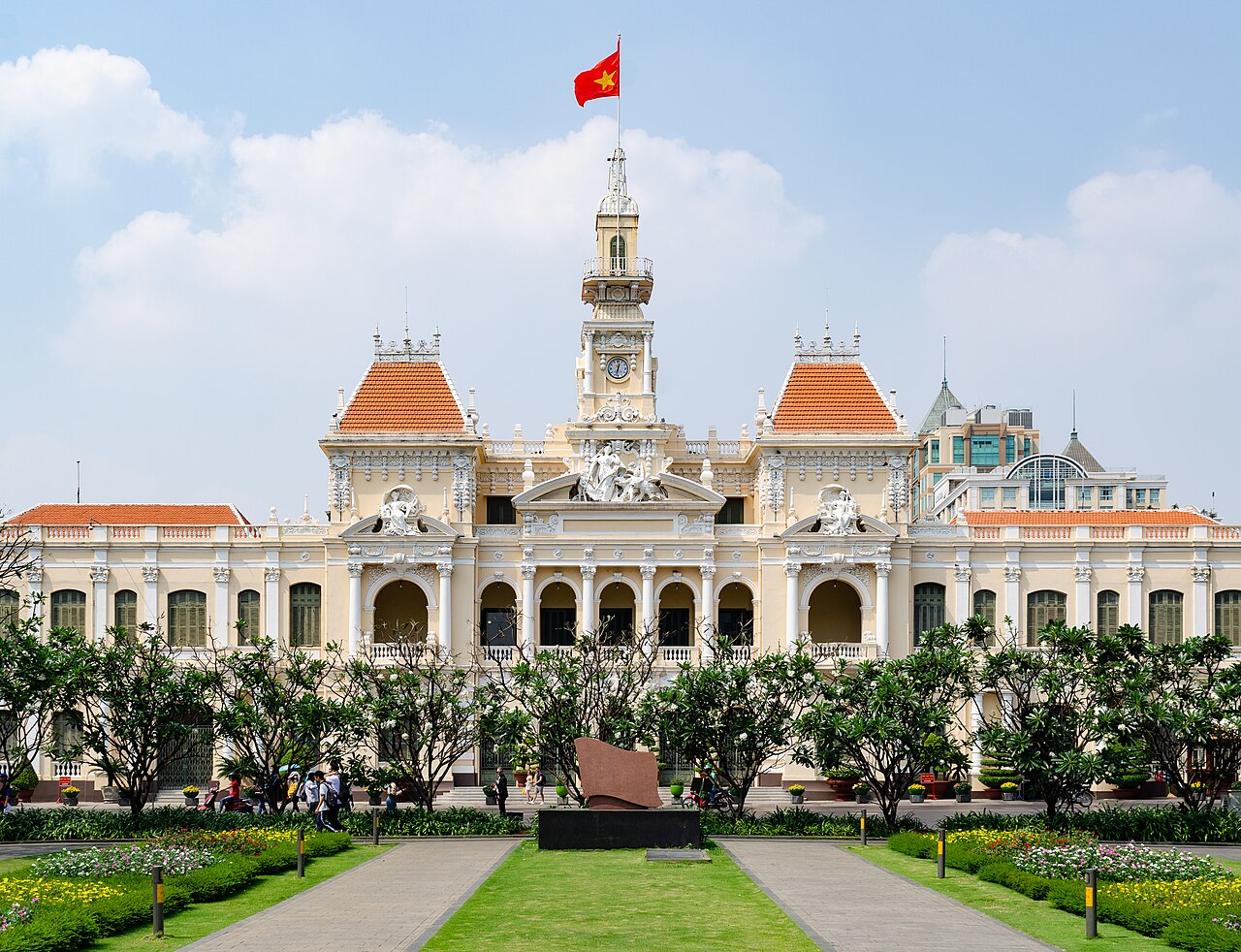
My kind of Saigon trip has a hotel key in one pocket and room for another meal in the schedule. A bowl of noodles before the heat builds. Coffee that takes its time. Dinner that begins with a handful of herbs and ends with a conversation about where to eat tomorrow.
For November 17–22, I’d make Le Méridien Saigon my base for six days and five nights. The river gives the trip a little breathing room; the streets around Ngô Văn Năm and Thái Văn Lung keep dinner within reach. I want the comfort of coming back to the same room, with enough time outside it to understand more than the hotel breakfast.
November 17 · Arrive with dinner left open
I’d keep the first evening deliberately small. International arrival at Tân Sơn Nhất is an immigration desk, baggage collection, and customs before it becomes a cocktail overlooking the river. There’s no dependable queue time to build a dinner reservation around.
Before flying, I’d check my passport and entry permission against Vietnam’s official e-visa portal, using the exact passport details and arrival dates. Requirements depend on nationality; I wouldn’t assume a visa on arrival will solve missing paperwork. My document folder would have the visa approval where required, hotel address, onward travel details, and copies available offline. A printed copy is a useful backup when a phone is flat.
Once through, I’d activate my data connection before booking a car. Grab’s airport instructions are the starting point: enter the correct terminal and follow the live pickup directions. I’d choose a car with room for luggage, check the plate and driver against the app, and keep the trip in the app rather than accept an unsolicited offer outside. Traffic gets the final say on arrival time.
Le Méridien’s address is 3C Tôn Đức Thắng, in the central riverside area often described as District 1; newer listings may say Sai Gon Ward. I’d save the Vietnamese address as well as the hotel name. At booking, I’d compare the actual room category, breakfast inclusion, cancellation terms, and total for five nights. A river view is something to select, not something I’d assume every room has.
Check Le Méridien Saigon for November 17–22 on Booking.com, then enter your party size and compare the final room terms.
For dinner, I’d walk inland to Quán Bụi at 19 Ngô Văn Năm. This is where I’d start with Vietnamese home-style food: rice, a vegetable dish, and a fish or meat dish to share from the current menu. Sharing lets the table taste more without turning arrival night into a challenge. Back at the hotel, BARSON is the easy choice for one drink; sleep is also a perfectly good nightcap.
November 18 · A first bowl, then a guide
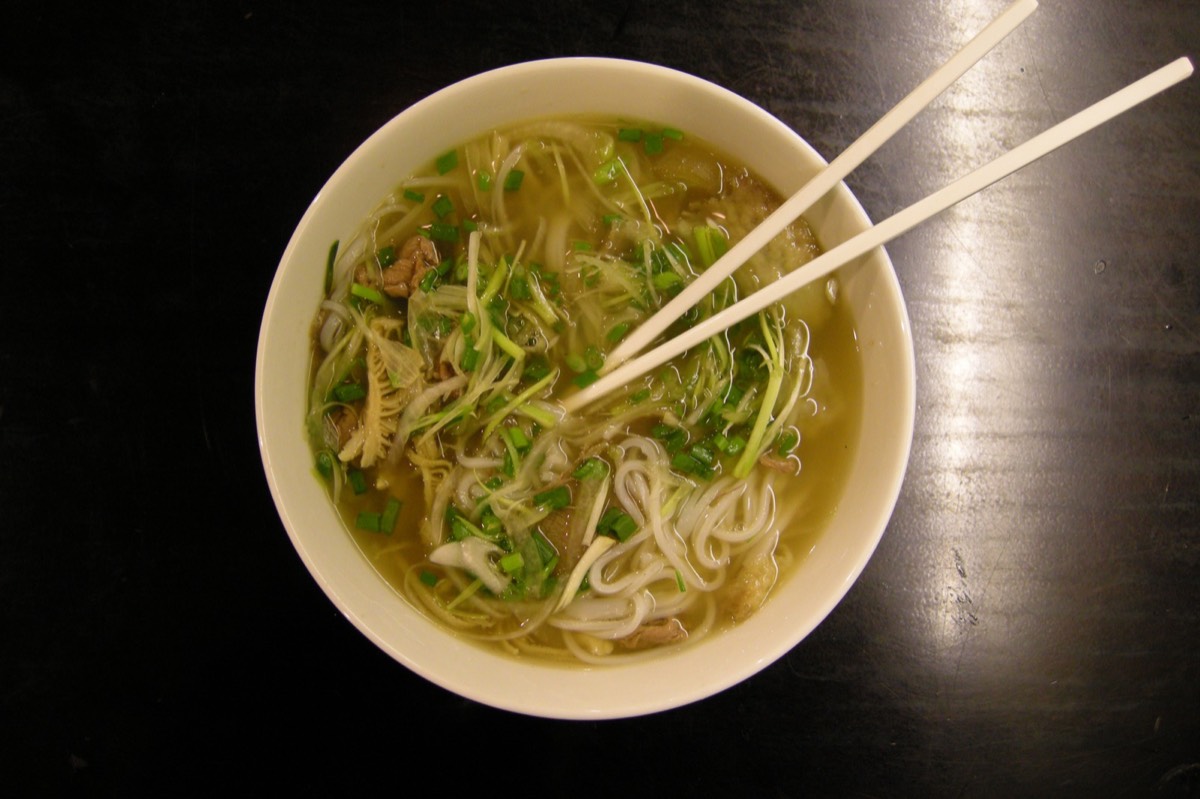
Breakfast is where I’d start learning the city. Phở brings rice noodles and fragrant broth; hủ tiếu opens another conversation about noodles, pork, seafood, and the many ways a bowl can be assembled. I’d ask the concierge for a nearby morning specialist that’s open that day, and choose a busy place cooking to order. “Breakfast food” doesn’t have to mean toast.
I’d spend the morning around the Central Post Office and the Opera House area, with a café pause between them. The pleasure is in the change of pace: a hot pavement, a cool room, the sound of ice settling in a glass. Lunch would be modest because tonight is the meal I’d book before leaving home.
Saigon Adventure runs guided food outings, and I’d choose its walking experience for this trip. A guide can explain what’s on the table, help with ordering, and introduce streets I wouldn’t find by searching for the same five famous restaurants. It also gives a solo traveler company without committing every evening to a group.
The Saigon Adventure street food walking tour on Booking.com lists dishes such as bánh cuốn, bò kho, bánh mì, and chè, with stops subject to change. I’d confirm the evening departure, meeting or pickup arrangements, minimum party size, and dietary needs before paying. Walking is a different product from the operator’s motorbike tours; I’d check the selected option carefully.
My questions would be simple: how do you usually eat this, what goes into the sauce, and what would you order here yourself? Fish sauce, peanuts, shellfish, and pork can appear where a beginner might not expect them. I’d explain allergies in advance and again at the table, rather than rely on a translated dish name. On a tasting tour, dinner is already taken care of.
November 19 · Shop, cook, eat
After an evening of tasting, I’d want to understand the preparation. Hoa Túc’s cooking classes, at 74/7 Hai Bà Trưng, make a natural outing from the hotel neighborhood. The market-and-cooking option begins at Tân Định Market before moving into the kitchen. That’s the version I’d choose: ingredients first, recipes second.
I like a class that makes the little decisions visible—how finely something is cut, when herbs go in, how a sauce finds its balance. The menu varies, so I’d leave the exact dishes to the day’s class rather than arrive expecting one particular pancake. Cooking and eating the result would be my lunch, leaving the afternoon free.
Book the Hoa Túc Vietnamese cooking class on Booking.com, selecting the package with the market visit if that’s the morning you want. I’d reconfirm the meeting point and start time with the operator.
Later, I’d make room for Maison Marou: Vietnamese chocolate, a pastry, and the sort of café break that slowly becomes the afternoon. I’d use its current store finder to choose a branch that fits the day’s route. Chocolate is also an easy gift—although I’d keep it away from the afternoon heat on the walk home.
Dinner can be close to the hotel again. I’d revisit the Ngô Văn Năm neighborhood with a different appetite: perhaps gỏi cuốn, the fresh rice-paper rolls that let herbs and fillings do the talking, followed by whatever the kitchen recommends. A repeated neighborhood feels different once I’m no longer checking my map at every corner.
November 20 · Follow the crunch
Today I’d plan around bánh xèo. At Bánh Xèo 46A, at 46A Đinh Công Tráng, the attraction is the savory rice-flour pancake: a crisp edge, a filling commonly involving pork, shrimp, and bean sprouts, and herbs alongside. I’d ask how the kitchen serves it, then take a small piece with greens and dipping sauce. The first bite should be about texture as much as filling.
This is a ride from the riverside base, not a restaurant I’d describe as next door. I’d use Grab for the outing and leave time around lunch instead of treating traffic as a fixed number. Tân Định’s streets give the day its own geography; there’s no need to bolt on a distant excursion.
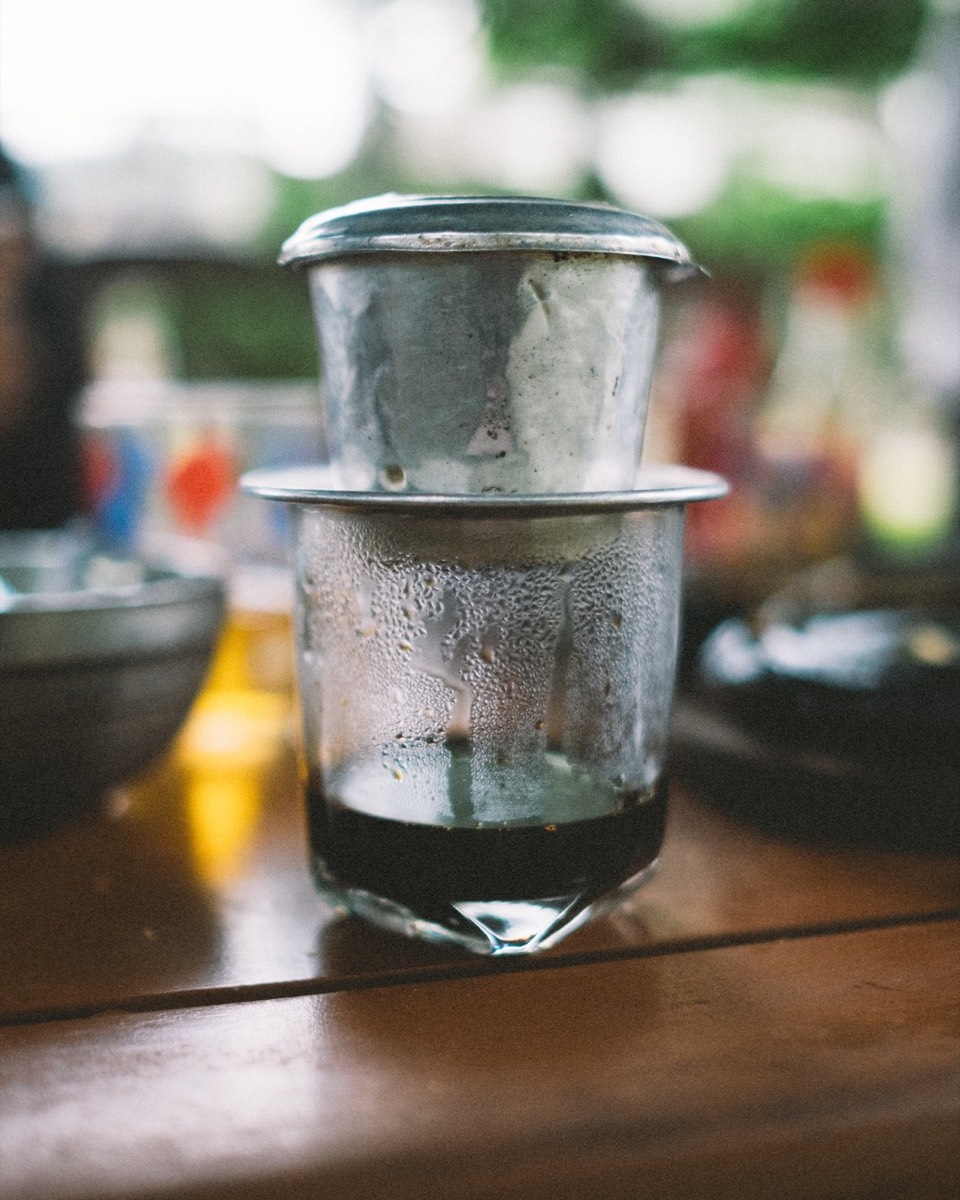
For a late café stop, I’d order cà phê sữa đá: coffee with sweetened condensed milk over ice. I’d taste before adding anything. If I wanted a gentler, milkier drink, I’d ask about bạc xỉu. Neither needs to become my fourth coffee of the day just because there’s another attractive café.
Friday dinner would be cơm tấm if I still had room: broken rice, often paired with grilled pork and accompaniments. I’d ask the guide from Wednesday for a current neighborhood recommendation, keeping the order small enough to enjoy it. A good food trip leaves space to follow a local suggestion.
November 21 · A market morning, a rooftop evening
I’d start with bánh mì and a slower walk, then browse Bến Thành Market without the pressure to buy something. The market is a useful place to look at ingredients and gifts; it isn’t a promise that every stall has the same price or quality. Before ordering, I’d ask the price of the portion I’m actually getting. Before shopping, I’d decide what I’m comfortable spending.
Lunch could be a break from the heat at L’Usine in Saigon Centre, 65 Lê Lợi. The central branch opens from 10 a.m. on its current listing, so I’d use it for brunch or lunch rather than an early breakfast. There’s room in this trip for a café meal alongside the noodle bowls; food travel doesn’t require proving something at every sitting.
I’d leave the afternoon open for the hotel, a rest, or a gentle walk toward Nguyễn Huệ when the heat eases. The boulevard’s public life is part of the outing: people meeting, taking pictures, making an evening of being outside. I’d ask before photographing anyone closely and keep the path clear.
For the last full night, I’d choose Saigon Saigon Rooftop Bar at Caravelle. It’s an excuse to put on something a little more polished and let the city become the view. I’d check the current menu and any entertainment or cover terms before settling in, order one cocktail or a beer, and let dinner remain its own event. For a quieter finish, BARSON back at Le Méridien saves another ride.
November 22 · Leave time for one more breakfast
Sunday morning belongs to the departure time. If the flight allows, I’d have an unhurried hotel breakfast at Latest Recipe, settle the room bill, and collect the chocolate from somewhere cool. I’d check whether breakfast was included in my reservation before treating it as part of the room price.
I’d book the airport car with enough margin for traffic, airline check-in, security, and departure formalities, using the airline’s guidance rather than yesterday’s journey time. One last bowl is lovely. Missing a flight for it is less charming.
The details that make eating around town easier
Grab would be my everyday transport app. I’d set up the account and test the payment method before leaving, then use the driver’s in-app messaging when a pickup is confusing. Google Maps and downloaded Vietnamese in Google Translate would be my backups for addresses and menus. The translation I’d prepare most carefully is any allergy information. For a short trip, I’d leave driving a scooter myself out of the plan.
The city tourism office’s practical guidance is my starting point for money matters. I’d carry Vietnamese đồng as well as a card. Small food vendors and everyday purchases are easier with small notes; hotel and larger restaurant payments are often card-friendly, but I’d check before ordering. At the airport, I’d use an authorized bank or exchange counter for a modest starting amount, compare the displayed rate and fees, and keep the receipt. In town, I’d ask the hotel to point me to a currently operating bank or licensed exchange desk and bring my passport if required. I wouldn’t trade cash with someone who approaches me on the street.
A bank ATM is another option. I’d read the withdrawal fee, choose a charge in đồng rather than accept a machine’s optional home-currency conversion, and check my own bank’s fees. At the table, I’d separate smaller notes from larger ones and count deliberately; zeros are easy to overlook when I’m chatting.
For begging or persistent street sales, a calm “no, thank you” and continuing on is enough. I’d keep my wallet put away, avoid accepting an unsolicited service, and move into a staffed business if an approach became uncomfortable. Concern about a situation is a reason to create distance, not to label a group of people. Anyone wanting to help can research an established local charity separately.
My phone would stay away from the road edge, with my bag zipped and close to my body. I’d check a bar’s menu, service charges, and bill myself, and keep control of my drink. The U.S. travel advisory for Vietnam is worth reading before departure for current entry and safety guidance. None of this needs to dominate the evening; a little preparation leaves more attention for the meal.
Pack for warm days and a possible downpour
Vietnam Tourism describes warm conditions and a rainy season extending into November, so I’d leave room for a downpour. I’d pack breathable shirts, loose trousers or a light skirt, comfortable walking shoes with grip, and a compact umbrella or light rain layer. I’d bring something that covers shoulders and knees for religious sites, plus a light layer for strong air-conditioning. For hotel bars, one smart-casual outfit is plenty. I’d check the actual forecast shortly before leaving.
The small things earn their space: a zipped crossbody bag, power bank, charging cable, suitable adapter, sunscreen, insect repellent, tissues, and hand sanitizer. I’d use sealed drinking water or a reliable filtered-water refill, and favor food cooked fresh and served hot. A reusable bottle is useful only when I know where I’m filling it.
My favorite travel hack is a single offline note: hotel address in Vietnamese, flight details, emergency contacts, allergy wording, and screenshots of bookings. Data is wonderful until the one moment it isn’t. I’d also leave room in the bag for chocolate and room in the schedule for the meal a guide suggests.
For this route, I’d reserve the five-night hotel stay, the guided food evening, and the cooking class first. Everything else can breathe around them. That’s the version of Saigon I want to make room for: broth in the morning, a proper pause for coffee, and a dinner that sends me home with a new question.
Which would you build your first day around—a noodle bowl, a crisp bánh xèo, or a coffee you have no intention of rushing?